
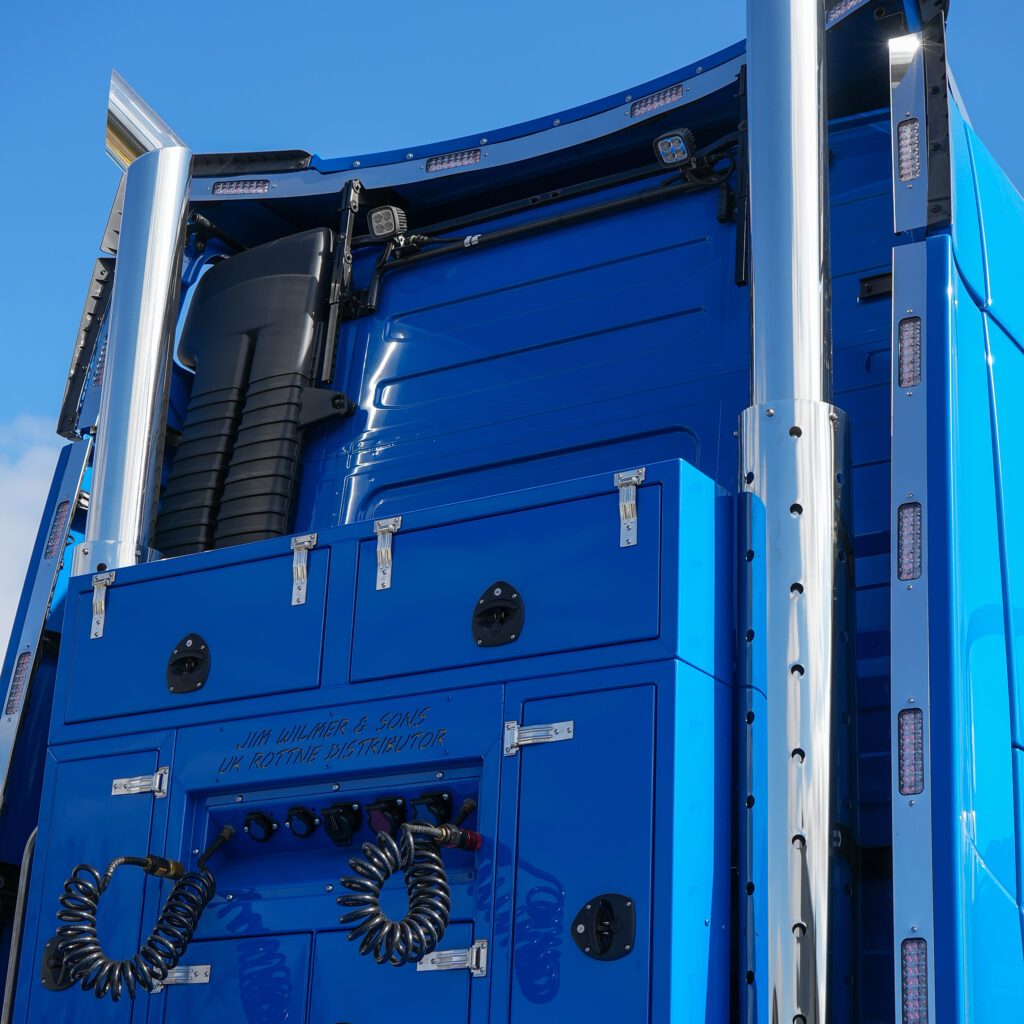
Wet kits: spec it right, fit it once, keep it earning
Hydraulics you can trust – matched to your trailer and workload.
Here’s the thing about wet kits: they’re either your best friend or your biggest headache. Get the combination right – PTO, pump, tank, valves, lines, cooler and controls – and you’ll be tipping, driving live floors, or powering ancillaries like clockwork. Get it wrong, and you’re looking at breakdowns, frustrated drivers, and lost earnings.
The good news? It doesn’t have to be complicated.
Start with what you actually do
We get a lot of calls from operators who’ve been sold a “one-size-fits-all” solution that doesn’t quite fit anything. The reality is simpler: different jobs need different kit.
Running tippers? You want fast, reliable cycles. Your drivers are paid by the load, not by the hour spent waiting for the body to rise. We’ll match the flow rate to your actual needs – no point carrying extra weight and cost for performance you’ll never use.
Operating walking floors or ejectors? That’s a different game entirely. These systems run longer cycles and generate more heat. Miss this detail and you’ll be dealing with overheated oil and premature failures. Not fun when you’re miles from base.
Need flexibility for different trailers? Dual-purpose systems work brilliantly when they’re thought through properly. Clean switching, sensible hose routing, and controls that make sense to whoever’s driving that day.
We size everything to your specific truck – engine, gearbox, the lot. Position the tank where it can actually breathe and where your technicians can reach it without gymnastics. Route the lines away from anything that might damage them. It’s not rocket science, but it does need thinking through.
Why the details matter
You know what separates a good installation from a great one? The boring stuff nobody sees.
Clean mounting points mean fewer leaks down the line. Proper filtration keeps your oil clean and your components happy. Pressure testing everything before handover catches problems before they become your problems. And cab controls that actually make sense? Your drivers will thank you.
We always position maintenance points where real people can reach them. Because there’s nothing worse than discovering your service points are accessible only to someone with arms like an orangutan.
Tank finish – painted steel or polished alloy – depends on your operation. Some want the smart look, others prioritise function over form. Both approaches work, but it’s worth deciding what matters to you.
The SB Components approach
Here’s what sets us apart: wet kits aren’t a side line for us. They’re part of our core business alongside hydraulic tanks and heavy-haulage kit. That means when we spec your system, we’re thinking about how it all works together.
More importantly, we’re still here when you need us. Same phone number, same team. No hunting through old paperwork or being passed between departments.
We’ve been doing this long enough to know that every application has its quirks. Municipal work is different from agriculture, which is different from specialised transport. We don’t just look at the spec sheet – we want to understand how you operate, where you work, and what matters to your business.
Getting it sorted
The best time to sort your hydraulics is before you need them. The second-best time is now.
Whether you’re running tippers, live floors, ejectors, or need something that can handle multiple applications, we’ll recommend kit that actually fits your operation. Proper lead times, clear documentation, and support that goes beyond just dropping off the parts.
Because hydraulics aren’t just about moving your load – they’re about keeping your business moving.
Ready to talk wet kits? Drop us a line and tell us what you’re looking to power. We’ll spec something that works first time, every time.
Ready to talk through your next component project?
Callum Fendley
Head of Internal Sales
07876 865475
[email protected]
SB Components – TVS Interfleet
Millennium Works, Enterprise Way
Wisbech, Cambridgeshire PE14 0SB
www.tvsinterfleet.com
One team, one standard, one phone call. That’s how component supply should work.